
Frequently Asked Questions
Karibu Journey Safaris
1. When is the best time to go on a safari or trek?
The "best" time depends on your goal:
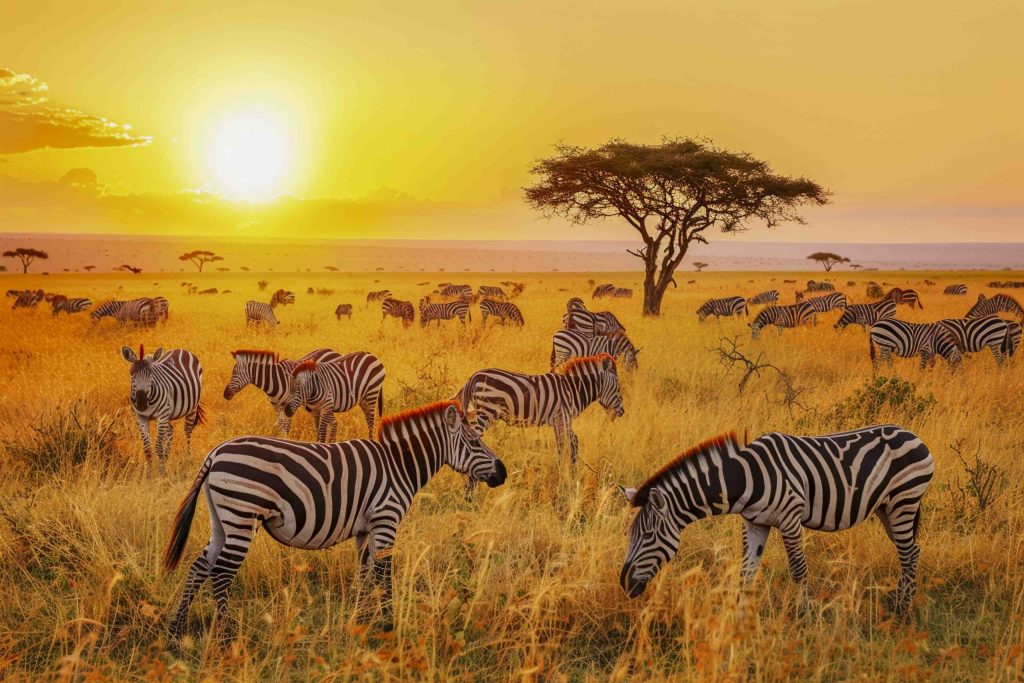
Wildlife: The dry season (typically June to October) is ideal for safaris, as animals congregate around water holes.
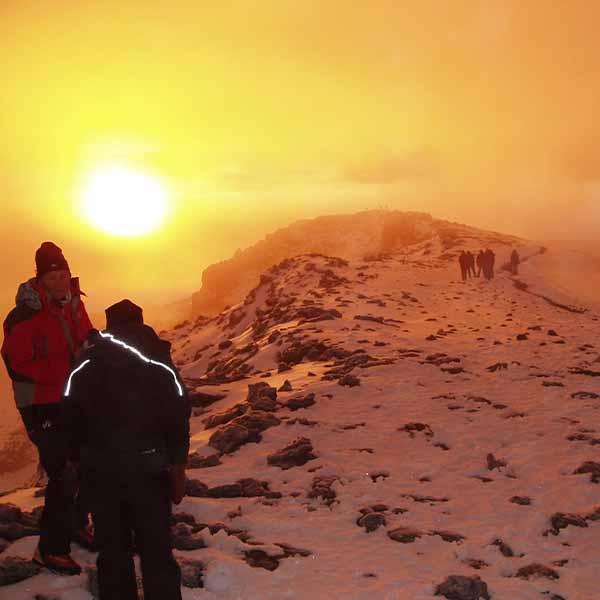
Trekking: For peaks like Kilimanjaro or Mount Kenya, the dry months (January–March and June–October) offer the clearest skies and safest trails.
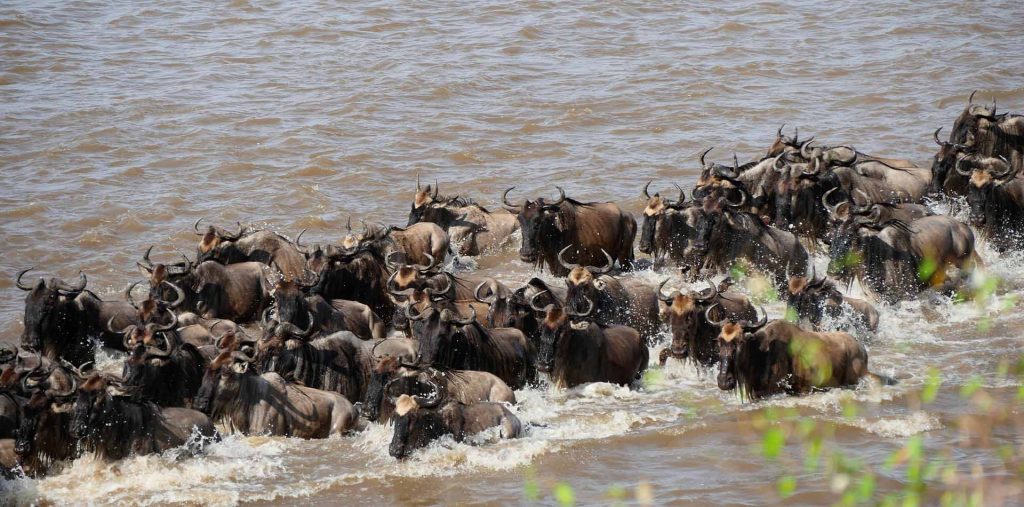
The Great Migration: This typically occurs between July and October in the Serengeti/Maasai Mara ecosystem.
2. Are your packages all-inclusive?
Yes, most of our packages cover:
Professional English-speaking guides.
Park entrance and camping/hut fees.
All meals and bottled water during the trip.
4x4 safari vehicles or trekking porter services.
Note: International flights, visas, and tips are generally excluded.
3. How fit do I need to be for a mountain trek?
You don't need to be an Olympic athlete, but a good level of cardiovascular fitness is essential. We recommend a training regimen of hiking, walking, or stair-climbing for at least 2–3 months before your trip. Most importantly, our treks follow a "pole pole" (slowly, slowly) pace to help with altitude acclimatization.
4. What happens if I get altitude sickness?
Our guides are highly trained in identifying High Altitude Pulmonary/Cerebral Edema (HAPE/HACE). We carry pulse oximeters and emergency oxygen on all high-altitude treks. If a climber shows severe symptoms, our protocol is immediate descent to lower altitudes under professional supervision.
5. What kind of vehicles do you use?
We use custom-built 4x4 Land Cruisers with pop-up roofs for 360-degree wildlife viewing. Each vehicle is equipped with a long-range radio, charging sockets for your cameras, and a cooler box for drinks.
6. Is it safe to be that close to wild animals?
Absolutely, provided you follow your guide's instructions. Animals generally perceive a vehicle as a single, non-threatening object. On walking safaris, you are always accompanied by an armed ranger and a professional guide who understand animal behavior and maintain a safe distance.
7. What should I pack?
Clothing: Think layers. Neutral colors (khaki, beige) are best for safari. Avoid dark blue or black, as they attract tsetse flies.
Gear: A good pair of broken-in hiking boots, a headlamp, and high-SPF sunscreen.
Tech: Extra camera batteries and a power bank, as charging points can be limited in remote camps.
8. Do I need any vaccinations or medications?
Requirements vary by country. We generally recommend:
Yellow Fever (mandatory for some borders).
Malaria prophylactics.
Updates on Tetanus and Hepatitis A/B.
Please consult a travel clinic at least 6 weeks before departure.
9. How do you support the local community?
We take pride in ethical employment. We ensure our porters and guides receive fair wages, proper gear, and nutritious meals. We also partner with local villages to ensure tourism revenue directly supports schools and conservation projects.
10. Can you accommodate dietary restrictions?
Definitely. Whether you are vegan, gluten-free, or have specific allergies, our bush chefs are wizards at creating delicious meals. Just let us know at least 30 days before your departure.
Frequently Asked Questions
Karibu Journey Safaris
1. When is the best time to go on a safari or trek?
The "best" time depends on your goal:
Wildlife: The dry season (typically June to October) is ideal for safaris, as animals congregate around water holes.
Trekking: For peaks like Kilimanjaro or Mount Kenya, the dry months (January–March and June–October) offer the clearest skies and safest trails.
The Great Migration: This typically occurs between July and October in the Serengeti/Maasai Mara ecosystem.
2. Are your packages all-inclusive?
Yes, most of our packages cover:
Professional English-speaking guides.
Park entrance and camping/hut fees.
All meals and bottled water during the trip.
4x4 safari vehicles or trekking porter services.
Note: International flights, visas, and tips are generally excluded.
3. How fit do I need to be for a mountain trek?
You don't need to be an Olympic athlete, but a good level of cardiovascular fitness is essential. We recommend a training regimen of hiking, walking, or stair-climbing for at least 2–3 months before your trip. Most importantly, our treks follow a "pole pole" (slowly, slowly) pace to help with altitude acclimatization.
4. What happens if I get altitude sickness?
Our guides are highly trained in identifying High Altitude Pulmonary/Cerebral Edema (HAPE/HACE). We carry pulse oximeters and emergency oxygen on all high-altitude treks. If a climber shows severe symptoms, our protocol is immediate descent to lower altitudes under professional supervision.
5. What kind of vehicles do you use?
We use custom-built 4x4 Land Cruisers with pop-up roofs for 360-degree wildlife viewing. Each vehicle is equipped with a long-range radio, charging sockets for your cameras, and a cooler box for drinks.
6. Is it safe to be that close to wild animals?
Absolutely, provided you follow your guide's instructions. Animals generally perceive a vehicle as a single, non-threatening object. On walking safaris, you are always accompanied by an armed ranger and a professional guide who understand animal behavior and maintain a safe distance.
7. What should I pack?
Clothing: Think layers. Neutral colors (khaki, beige) are best for safari. Avoid dark blue or black, as they attract tsetse flies.
Gear: A good pair of broken-in hiking boots, a headlamp, and high-SPF sunscreen.
Tech: Extra camera batteries and a power bank, as charging points can be limited in remote camps.
8. Do I need any vaccinations or medications?
Requirements vary by country. We generally recommend:
Yellow Fever (mandatory for some borders).
Malaria prophylactics.
Updates on Tetanus and Hepatitis A/B.
Please consult a travel clinic at least 6 weeks before departure.
9. How do you support the local community?
We take pride in ethical employment. We ensure our porters and guides receive fair wages, proper gear, and nutritious meals. We also partner with local villages to ensure tourism revenue directly supports schools and conservation projects.
10. Can you accommodate dietary restrictions?
Definitely. Whether you are vegan, gluten-free, or have specific allergies, our bush chefs are wizards at creating delicious meals. Just let us know at least 30 days before your departure.